
What Makes a Cable “Submersible”?
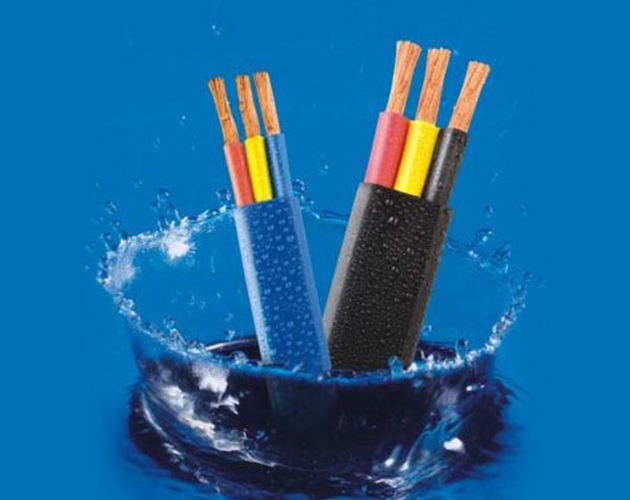
Submersible cable is specifically designed to operate while fully submerged in water, including borehole water that may contain minerals or slight chemical variation. It uses waterproof insulation and sheathing that won’t degrade, swell, or let water migrate along the conductor over years of constant submersion — something ordinary cable simply isn’t built to handle.
Where Submersible Cable Is Used?
Borehole pump installations — powering the pump motor lowered into the borehole itself Water pump systems — surface and submersible pumps used in agriculture, homes, and institutions Irrigation systems — powering submerged pumps drawing from wells, dams, or boreholes Fountains and water features — smaller-scale submerged electrical applications
Choosing the Right Submersible Cable A few factors determine the correct specification:
Pump motor rating. The cable’s current-carrying capacity has to match the pump motor’s power draw. Borehole depth. The cable run length affects both the physical cable needed and voltage drop over that distance — deeper boreholes typically need a larger conductor cross-section to compensate.
Single-phase or three-phase pump. This determines the number of cores required. Water conditions. Borehole water quality can vary; our team can advise if unusual conditions call for a specific cable grade. Because a submersible cable failure means pulling the entire pump assembly back out of the borehole — an expensive and disruptive job — it’s worth getting the specification right the first time rather than under-speccing to save on upfront cost.
Why Choose Cable Xperts Submersible Cable Our submersible cable is manufactured locally and KEBS certified, built specifically for the demands of borehole and water pump installations across Kenya. As a local manufacturer, we can also help pump installers and borehole drilling contractors match cable specification to pump motor rating and depth before installation — rather than guessing from a generic spec sheet.