
Our products
Welding cables
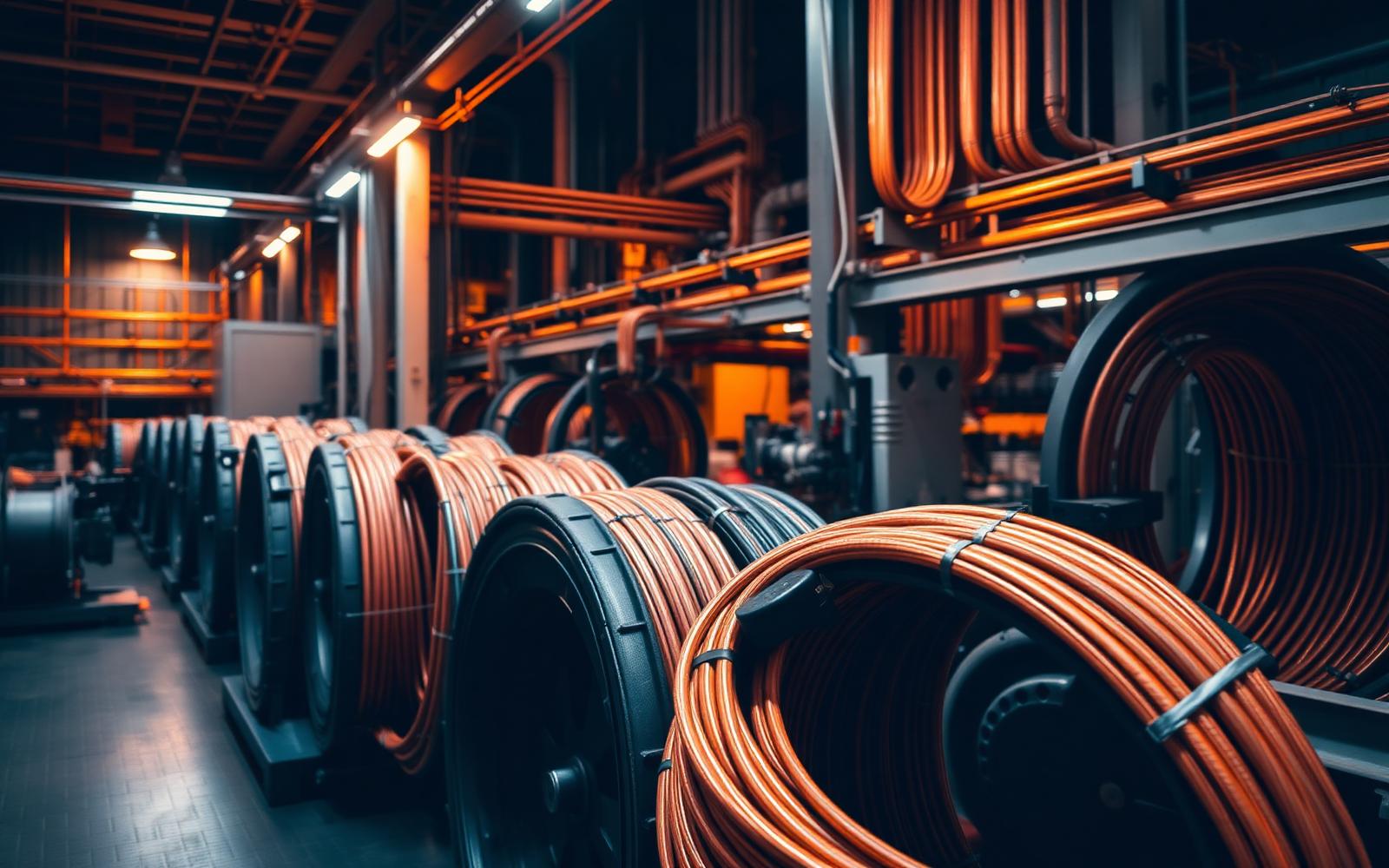
Welding cables feature high-strand-count copper conductors that provide maximum flexibility and excellent conductivity.
Welding cables feature high-strand-count copper conductors that provide maximum flexibility and excellent conductivity.The fine copper strands allow the cable to bend and twist easily, making it ideal for dynamic work environments where maneuverability is crucial
Get in touch with us
Our specialised team is at your service
Send us an enquiry and we will be in touch with pricing, specifications and lead times for your project.
- Phone / WhatsApp
- 0799 999 496 || 0798 808 111
- Visit us
- Nairobi: KQ Pride Centre, Opp Kemsa EmbakasiEldoret: Eldoret depot – Total Kapsoya
- Business hours
- Monday – Friday: 8:00 a.m. – 5:00 p.m.Saturday: 9:00 a.m. – 1:00 p.m.Sunday: Closed