
What Makes Welding Cable Different?
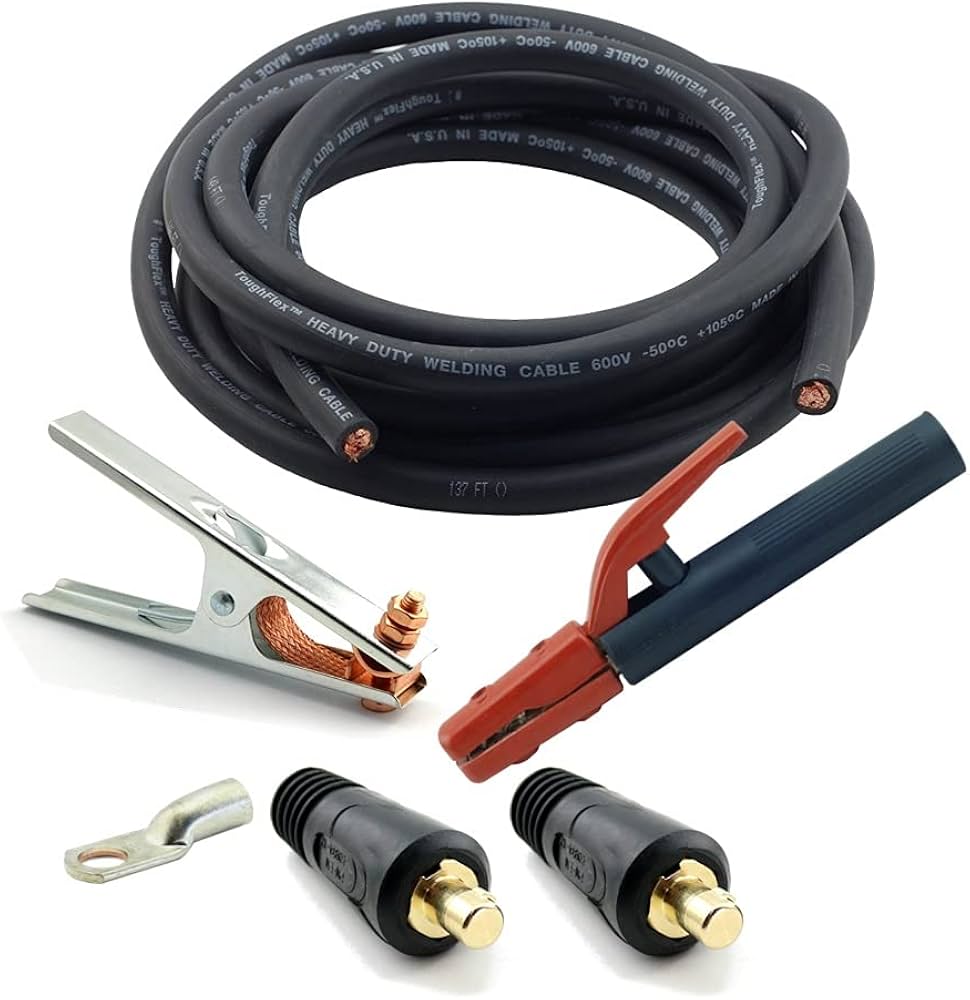
Welding cable is built with a highly flexible, fine-stranded copper conductor wrapped in a tough, heat- and abrasion-resistant rubber or synthetic sheath. That combination lets it carry very high current over relatively short runs while surviving the constant bending, dragging, and heat exposure that comes with active welding work.
Where Welding Cable Is Used
Arc and MIG/TIG welding — connecting the welding machine to the electrode holder and workpiece Fabrication workshops — powering welding equipment used throughout a busy shop floor Construction sites — structural steel welding and on-site fabrication work Generator and battery connections — some welding cable grades are also used for high-current DC connections beyond welding itself Choosing the Right Welding Cable Size Welding cable is sized by cross-sectional area (in mm²), and getting the size right matters for both performance and safety:
Higher amperage welding (thicker materials, deeper welds) requires a larger cross-section to carry the current without overheating. Longer cable runs between the welding machine and the work area need a larger cross-section to avoid voltage drop, which shows up as inconsistent arc performance. Duty cycle matters. Equipment run continuously for long shifts needs cable sized with enough margin to handle sustained heat buildup, not just peak current. Undersized welding cable is a common cause of poor weld quality and premature cable failure — if your welds are inconsistent and the machine settings check out, cable sizing is worth investigating.
Why Choose Cable Xperts Welding Cable
Our welding cable is manufactured locally and KEBS certified, built to handle the demands of Kenyan fabrication shops and construction sites — heat, constant movement, and daily wear. As a local manufacturer, we can help you match cable size to your welding machine’s amperage rating and typical run length before you buy, and we restock fast for workshops running through cable regularly.